How to identify and treat tree diseases in your yard
Discover effective methods for identifying and treating tree diseases in your Wichita yard to maintain tree health.
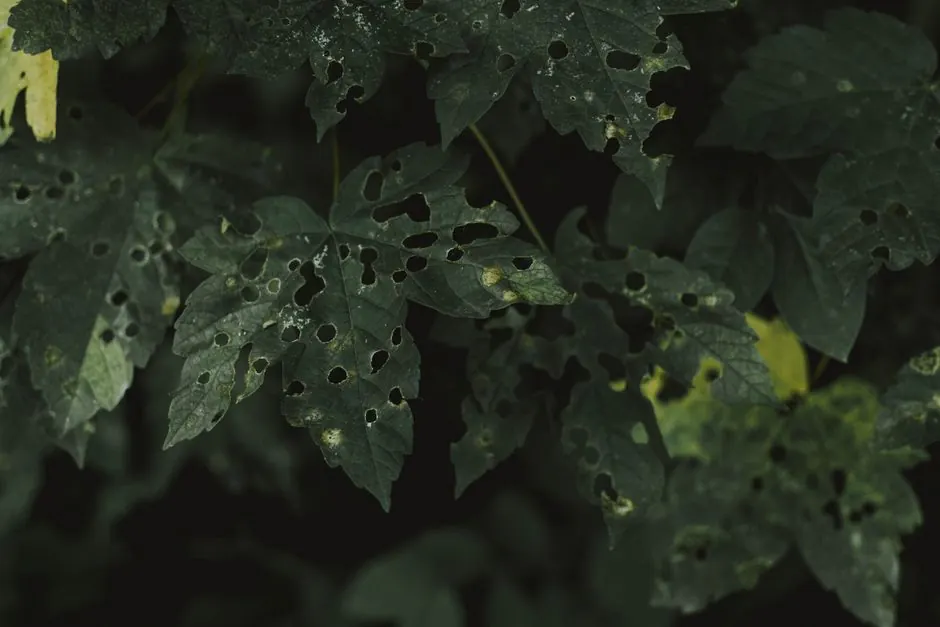
Maintaining the health of trees in your yard is crucial for both aesthetics and environmental benefits. Knowing how to identify and treat tree diseases in your yard can save you time and money while ensuring your trees thrive. This guide will help you recognize common tree diseases, understand treatment options, and learn when to seek professional help in Wichita.
Understanding Tree Diseases
Tree diseases can stem from various sources, including fungi, bacteria, viruses, and environmental stressors. These diseases can weaken trees, making them more susceptible to pests and other health issues. Understanding the signs and symptoms of tree diseases is essential for early detection and effective treatment.
Common Tree Diseases in Wichita
Wichita's climate can foster several tree diseases that homeowners should be aware of:
- Powdery Mildew: A fungal disease that appears as a white powdery substance on leaves, often affecting ornamental trees.
- Leaf Spot: Caused by various pathogens, it leads to dark spots on leaves, which can eventually fall off.
- Root Rot: Often due to overwatering or poor drainage, this disease can cause trees to wilt and die from the roots up.
- Oak Wilt: A serious fungal disease affecting oak trees, leading to rapid decline and death.
Identifying Tree Diseases
Identifying tree diseases in Wichita requires careful observation. Look for the following signs:
- Discoloration: Yellowing or browning of leaves can indicate stress or disease.
- Wilting: Trees that droop or lose leaves prematurely may be struggling with a disease.
- Fungal Growth: Mushrooms or fungal bodies at the base of the tree or on the bark can indicate decay.
- Unusual Growths: Galls, cankers, or other abnormal growths can signal specific diseases.
If you notice any of these symptoms, it's crucial to act quickly. The sooner you identify the problem, the better the chances of saving your tree.
Treating Tree Diseases
Treating tree diseases in Wichita gardens often involves a combination of methods:
1. **Cultural Practices:** Improve tree health by ensuring proper watering, mulching, and pruning. This can help reduce stress and prevent diseases.
2. **Chemical Treatments:** Fungicides and bactericides can be effective against certain diseases. Consult with a professional to identify the right treatment for your specific situation.
3. **Removal of Infected Parts:** Pruning away diseased branches can help prevent the spread of the disease. Ensure to sterilize your tools afterward to avoid cross-contamination.
4. **Soil Amendments:** Improving soil quality can enhance tree health, making them more resilient to diseases. Regular soil testing can help you understand what your trees need.
For more severe cases, consider professional tree disease treatment options to ensure effective management.
Preventing Tree Diseases
Prevention is key to maintaining tree health. Here are some effective strategies:
- Proper Watering: Avoid overwatering and ensure good drainage to prevent root rot.
- Regular Pruning: Remove dead or diseased branches to improve air circulation.
- Monitoring: Regularly inspect your trees for early signs of disease.
- Healthy Soil: Use organic mulch and compost to enhance soil health.
By taking these proactive steps, you can significantly reduce the risk of tree diseases in your yard.
Common Mistakes to Avoid
When it comes to tree care, homeowners often make several common mistakes:
- Ignoring Symptoms: Delaying action when you notice signs of disease can lead to irreversible damage.
- Overwatering: This is a leading cause of root rot and other moisture-related diseases.
- Using Incorrect Treatments: Not all treatments are suitable for every disease; always identify the specific issue first.
Avoiding these mistakes can help ensure your trees remain healthy and vibrant.
When to Call a Professional
If you suspect your tree is diseased and the problem seems severe, it's time to call in the experts. Professional arborist services can provide a thorough assessment and recommend the best course of action. In many cases, they can treat diseases that may be beyond the capabilities of a homeowner.
Frequently Asked Questions
How do I identify tree diseases in Wichita?
Look for signs like discoloration, wilting, fungal growth, and unusual growths on your trees. Regularly inspecting your trees can help catch diseases early.
What should I do if my tree is diseased in Wichita?
Assess the symptoms, and if they are severe, consider contacting a professional for a proper diagnosis and treatment plan. Early intervention is key to saving your tree.
Can I treat tree diseases myself in Wichita?
While some minor issues can be treated at home, complex diseases often require professional intervention. It's essential to know your limits and seek help when needed.
What are the most common tree diseases in Wichita?
Common diseases include powdery mildew, leaf spot, root rot, and oak wilt. Each has distinct symptoms, so identifying the specific disease is crucial for effective treatment.
Get help with Tree Services in Wichita
If you're facing tree health issues, don't hesitate to reach out for professional assistance. Contact us at (316) 395 8787 for expert tree services in Wichita.